Chezburger: A Bold Display Typeface for Editorial Impact
The cursor blinks on a blank page. It is 2 AM, and the deadline for the spring lifestyle guide is looming. The layout feels flat. The body text—clean, reliable, invisible—is doing its job too well, leaving the headlines to compete in a visual vacuum. This is the moment every editorial designer knows well: the need for a typeface that doesn’t just sit there but commands attention without shouting. I reached for Chezburger not because it was trendy, but because the project demanded a specific kind of energy. It needed to be bold, slightly imperfect, and undeniably present. In this review, we explore how Chezburger functions as a premium font within modern publishing workflows, balancing quirky personality with structural robustness.
Chezburger as a Distressed Sans Serif Display Font for Blog Headers
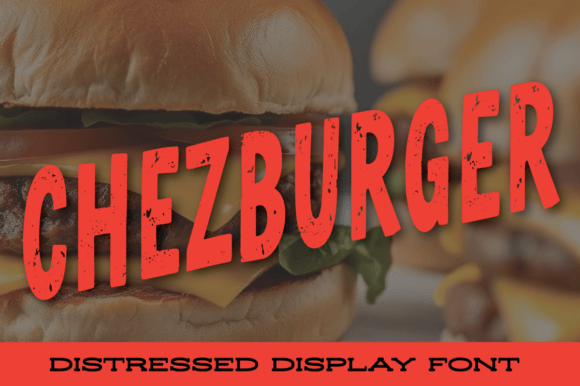
When evaluating new Display fonts for digital publications, the first test is always the header. Chezburger arrives with a thick, blocky structure that immediately establishes authority. Unlike delicate script fonts or overly geometric sans serif fonts, this typeface carries a distressed texture that suggests authenticity—a quality highly valued in contemporary blog design. The strong, uniform strokes give it a commanding presence, making it ideal for article titles where you need to stop the scroll. I tested Chezburger on a high-contrast dark mode background for a food and travel newsletter, and the legibility remained sharp despite the heavy weight. The distressed edges prevent the letters from feeling sterile, adding a layer of warmth that resonates with readers looking for genuine connection rather than corporate polish. For bloggers seeking to inject character into their content branding, Chezburger offers a creative font solution that stands out in crowded social feeds.
Building Visual Hierarchy in Recipe Ebooks and Digital Guides
Content structure is the backbone of any successful digital product, whether it is a coaching workbook or a downloadable recipe ebook. One of the most challenging aspects of editorial design is creating clear visual hierarchy without relying on excessive color or imagery. Chezburger excels here because its robust personality naturally draws the eye. I used the font for chapter openers and section breaks in a printable planner project. The thick blocks of text created a rhythmic pause in the reading flow, allowing the user’s eyes to rest before diving into dense instructional paragraphs. Because the font is a sans serif typeface, it pairs exceptionally well with traditional serif fonts used for body copy. This combination allows for a sophisticated contrast: the structured, playful headers of Chezburger against the elegant, readable curves of a classic serif. This pairing supports both readability and publication identity, ensuring that the document feels cohesive even when the content shifts topics rapidly.
Enhancing Mood in Wedding Invitations and Lifestyle Branding
While often associated with industrial or streetwear aesthetics, the quirky nature of Chezburger can be softened for more intimate projects like wedding guides or boutique lifestyle branding. The font’s playful pres makes it versatile; it can feel rustic and handcrafted due to its distressed finish, yet remain modern through its clean geometric skeleton. In a recent project for a vintage-inspired wedding guide, I used Chezburger for the main title and key pull quotes. The result was unexpected—it felt nostalgic yet fresh. The font does not try too hard to be "elegant" in the traditional sense; instead, it offers a confident, approachable vibe that appeals to modern couples who value individuality over formality. When designing for audiences who appreciate artisanal qualities, using a display font with character like Chezburger helps establish a unique brand identity that separates your work from generic templates.
Readability Considerations for Screen and Print Media
No matter how visually striking a typeface is, its primary function in publishing is communication. It is crucial to understand where Chezburger fits best within the spectrum of typography. Due to its bold and distressed characteristics, it is not suitable for body copy, small captions, or dense paragraphs. Trying to read long-form content in a font with such heavy ink distribution leads to eye strain and reduces comprehension speed. Instead, reserve Chezburger for short-form applications: cover text, decorative accents, large pull quotes, and navigation labels. For screen reading, ensure you leave ample whitespace around the thick letterforms to prevent them from clumping together. In print materials, such as posters or flyers, the font performs beautifully because the distress adds texture that translates well to paper grain. Always test your chosen font size carefully; while it holds up well at larger sizes, reducing it below 18pt can cause the distressed details to muddy, compromising clarity.
Practical Font Pairing and Licensing for Commercial Projects
Integrating Chezburger into a professional workflow requires thoughtful pairing and proper licensing. As a display font, it is designed to share the spotlight, not dominate every element of a layout. I recommend pairing it with a clean, neutral sans serif font for UI elements like buttons and menus, or a highly legible serif font for the narrative content. This balance ensures that the reader’s experience remains smooth, guided by the bold headers but supported by comfortable reading text. Before deploying Chezburger in client publications, paid newsletters, or digital downloads, verify the commercial font license. Ensure the package includes all necessary file formats (OTF, TTF) and check for multilingual support if your audience is global. Understanding the technical specifications of the font family allows you to maximize its potential across various platforms, from web design to packaging design. By treating Chezburger as a strategic design asset rather than a decorative afterthought, creators can elevate their editorial layouts with confidence and style.