Delight Tones: A Playful Display Font for Editorial Projects
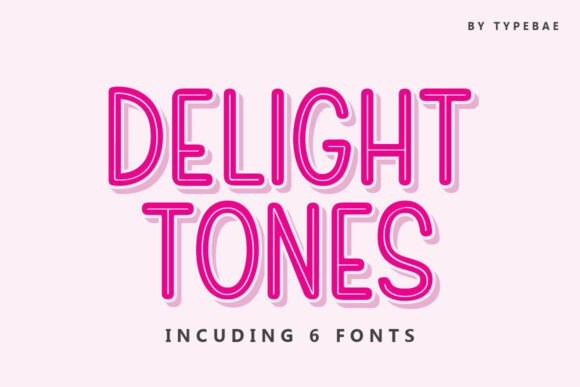
I was staring at a blank canvas on my screen, trying to decide whether the new lifestyle blog redesign needed a touch of whimsy or something more grounded. The content was serious—deep dives into mental health and mindfulness—but the visual identity felt too sterile. I needed a typeface that could bridge the gap between professional editorial standards and approachable warmth. That is when I pulled Delight Tones into the mix. It wasn’t just about finding a font; it was about finding a voice. As a fun hand-drawn display font, Delight Tones offers a playful and quirky touch, allowing for a delightful and amusing feel that immediately softened the edges of the layout without sacrificing clarity.
Delight Tones for Lifestyle Blog Headers and Cover Text
When you are designing for digital platforms, the header is your first impression. Delight Tones excels in this space because its hand-drawn character invites the reader in before they even read the headline. In my test project, I used it for the main title of a weekly newsletter graphic. Unlike rigid geometric sans serifs, which can sometimes feel cold on mobile screens, Delight Tones has a natural rhythm that mimics human handwriting but remains legible enough for quick scanning. Its unique shape allows it to stand out as a creative font among standard web fonts, giving independent content brands a distinct visual signature. By using it for cover text and major section breaks, I created an immediate sense of personality. The font’s quirks act as visual anchors, guiding the eye through the hierarchy of the page while maintaining a lighthearted tone that resonates with modern audiences seeking authentic connections.
Delight Tones in Printable Planners and Coaching Workbooks
One of the most lucrative markets for designers today is digital products, specifically printable planners and coaching workbooks. These materials require a balance of structure and encouragement. I tested Delight Tones in a PDF workbook designed for creative entrepreneurs. The goal was to make the worksheets feel like a friendly conversation rather than a rigid form. Because Delight Tones is well-suited for designs that are fun and lighthearted, it transformed dry instruction headers into engaging prompts. When paired with a clean sans serif font for the actual questions and input fields, the contrast created a beautiful editorial design dynamic. The display font provided the mood, while the body copy ensured readability. This combination proved essential for user experience, as readers were more likely to engage deeply with content that felt personally curated and visually pleasing. For creators selling templates on marketplaces, this level of thoughtful typography can significantly enhance perceived value.
Delight Tones for Wedding Guides and Social Media Graphics
Wedding planning and event coordination rely heavily on emotional resonance, making the choice of typeface critical. I explored using Delight Tones for a digital wedding guide brochure intended for social media distribution. The font’s playful nature aligns perfectly with the joyous, celebratory mood of such events. However, restraint is key in editorial design. I used Delight Tones sparingly—for the main title of the guide and for pull quotes within the pages. Using it for dense paragraphs would have overwhelmed the reader, so I reserved it for high-impact moments. This strategic application highlights how a premium font can elevate brand identity without cluttering the design. The font’s irregular strokes add a human touch that stock vector graphics lack, making social media graphics feel more organic and trustworthy. For designers creating assets for clients in the hospitality or event sectors, Delight Tones offers a versatile tool for conveying warmth and excitement.
Readability Considerations for Screen and Print
While Delight Tones is charming, understanding its limitations is crucial for professional output. As a display font, it is not intended for long-form body copy. My testing confirmed that reading extended passages in Delight Tones causes eye fatigue due to its varying stroke weights and hand-drawn inconsistencies. Therefore, it is best paired with a highly readable serif font for article bodies or a neutral sans serif font for captions and navigation elements. This pairing strategy ensures that the publication maintains authority and accessibility. When exporting to PDF for print materials, such as zines or flyers, the vector nature of the font holds up well, preserving its crisp edges. However, designers should always proofread physical proofs to ensure that the playful curves do not interfere with kerning issues at smaller sizes. Understanding these technical nuances separates amateur usage from expert editorial application, ensuring that the font supports rather than hinders communication.
Font Pairing and Commercial Licensing Essentials
Integrating Delight Tones into a broader typographic system requires careful consideration of style compatibility. Since it is a handwritten-style display font, it pairs exceptionally well with minimalist structures. I found that combining it with a classic serif font for body text creates a sophisticated yet approachable aesthetic, perfect for magazine features or ebook titles. Conversely, pairing it with a geometric sans serif works well for modern, tech-forward newsletters. Before deploying the font in client publications or commercial ebooks, verifying the license is paramount. Ensure the file formats include both desktop and web-ready versions if cross-platform consistency is required. Checking for included styles, alternates, and ligatures can also expand your creative possibilities, allowing for subtle variations in headings that keep the design fresh. Ultimately, Delight Tones is more than just a decorative element; it is a strategic design asset that, when used with intention, enhances the narrative flow and emotional impact of any editorial project.