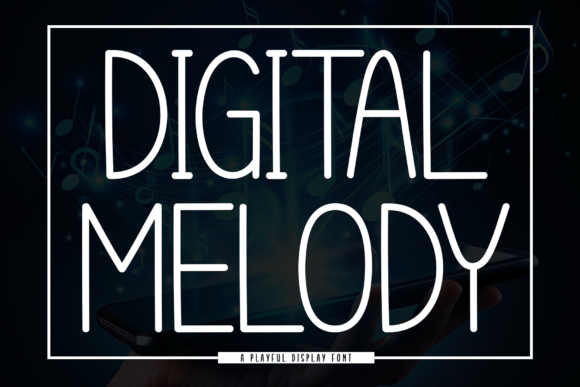
Digital Melody: A Modern Handwritten Font for Elegant Campaigns
The campaign deadline is looming, and the creative director wants something that feels personal but polished. We are designing a series of Instagram stories and a landing page header for a boutique lifestyle brand’s seasonal launch. The brief asks for warmth, sophistication, and a touch of modern elegance. After scrolling through dozens of heavy, cluttered typefaces, I landed on Digital Melody. It immediately solved the visual hierarchy problem without adding noise to the layout. This light and elegant handwritten font brings a refined aesthetic that stands out in fast-scrolling feeds while maintaining readability on mobile devices.
Why Digital Melody Works for Social Media Graphics and Digital Ads
When evaluating Digital Melody, the first thing that strikes you is its thin lines and airy structure. In the world of digital marketing, where attention spans are measured in milliseconds, a display font needs to grab interest without demanding excessive cognitive load. Digital Melody achieves this balance effortlessly. Its modern feel makes it an excellent choice for social media graphics, particularly for brands targeting audiences who appreciate minimalism and high-end aesthetics.
I tested this typeface across various digital ad layouts, including Facebook carousel ads and Pinterest pins. The font’s delicate strokes allow background images and product photography to remain the focal point, while the text adds a layer of personality. Unlike bold, blocky fonts that can overpower a composition, Digital Melody acts as a subtle accent. It works beautifully for short headlines, callouts, and decorative titles. For instance, using it for a "New Arrival" or "Limited Edition" label creates a sense of exclusivity and care. The font’s inherent elegance helps elevate the perceived value of the product being advertised, which is crucial for luxury or artisanal brands.
Visual Hierarchy and Mobile Readability
One of the biggest challenges with handwritten and script fonts is legibility at small sizes. However, Digital Melody is designed with clarity in mind. When used for supporting typography or secondary headers, it maintains its character even when scaled down for mobile previews. I found that setting the font size between 24px and 36px on digital banners provided optimal visibility. For smaller elements, such as price tags or subtle disclaimers, it is best paired with a clean sans serif font to ensure the message is clear. The thin lines of Digital Melody do not blur or pixelate easily on high-resolution screens, making it a reliable choice for crisp, professional-looking creatives.
Digital Melody for Invitations, Quotes, and Editorial Content
Beyond standard advertising, Digital Melody shines in contexts that require a human touch. The description notes that it is great for invitations, quotes, or any creative project, and my experience confirms this versatility. In a recent email promotion for an online workshop, we used Digital Melody for the main headline. The font’s handwritten style conveyed a sense of direct communication, as if the message was written by hand rather than generated by a template engine.
This approach is highly effective for building trust and engagement. When users see a font that mimics natural handwriting, they subconsciously associate the content with authenticity. I applied Digital Melody to quote graphics for a LinkedIn content series, where it added a sophisticated flair to professional advice. The thin lines give it a modern feel, preventing it from looking dated or overly ornamental. It bridges the gap between formal editorial design and casual social media posting. Whether you are designing wedding invitations, event banners, or branded quote cards, this font provides the perfect balance of grace and contemporary style.
Enhancing Brand Identity with Personal Touches
Brand consistency does not always mean uniformity; sometimes, it means maintaining a consistent mood. Digital Melody allows marketers to inject personality into their brand identity without compromising professionalism. By using this font strategically in headers and key messages, you can create a distinctive visual signature. For example, in a YouTube thumbnail set for a creative tutorial channel, using Digital Melody for the title text helped differentiate the videos from competitors who relied on heavy, impact-style fonts. The elegance of the typeface suggested that the content was thoughtful and well-crafted, attracting a more discerning audience.
Practical Font Pairing and Design Workflow Tips
To get the most out of Digital Melody, strategic font pairing is essential. Because it is a display font with thin lines, it should not be used for long paragraphs or dense information. Instead, pair it with a neutral, highly readable sans serif font like Helvetica, Open Sans, or Montserrat. This combination creates a strong contrast between the decorative headline and the functional body text, ensuring that your message is both beautiful and understandable.
- For Web Design: Use Digital Melody for hero section headlines and navigation labels. Pair it with a light sans serif for paragraph text to maintain a clean, modern look.
- For Packaging Design: Incorporate the font into logo design elements or taglines. Its elegant curves work well on minimalist packaging, adding a premium feel to physical products.
- For Branded Templates: Create a library of Canva or Photoshop templates featuring Digital Melody for recurring campaigns. This streamlines the workflow for social media managers and ensures brand coherence across all channels.
When integrating Digital Melody into your design assets, pay attention to spacing. Handwritten fonts often require slightly increased letter spacing (kerning) to prevent the thin lines from clashing. Testing the font against different background colors is also crucial. On dark backgrounds, ensure the white or light-colored text has enough contrast to remain legible. Conversely, on light backgrounds, consider using a darker shade to anchor the design.
Commercial Licensing and File Format Considerations
Before deploying Digital Melody in client campaigns or commercial products, it is vital to review the licensing terms. Ensure that the font includes the necessary weights and styles for your specific needs. Check for multilingual support if your audience speaks multiple languages, as some handwritten fonts may lack extended character sets. Additionally, verify the file formats included—typically TTF, OTF, and WOFF—are compatible with your design software and web platforms.
Using a premium font like Digital Melody signals a commitment to quality. It shows that you have invested in tools that enhance your visual communication. Whether you are an entrepreneur launching a new shop or a marketer managing a large-scale ad set, having access to versatile, high-quality display fonts is a strategic advantage. Digital Melody offers the elegance and modern appeal needed to stand out in a crowded digital landscape, making it a valuable addition to any designer’s toolkit.