Handmade Typeface for Personalized Digital Branding
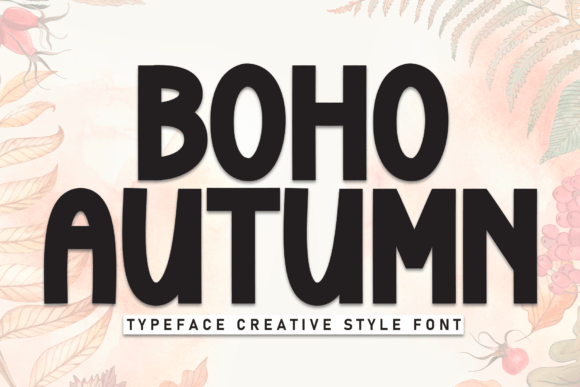
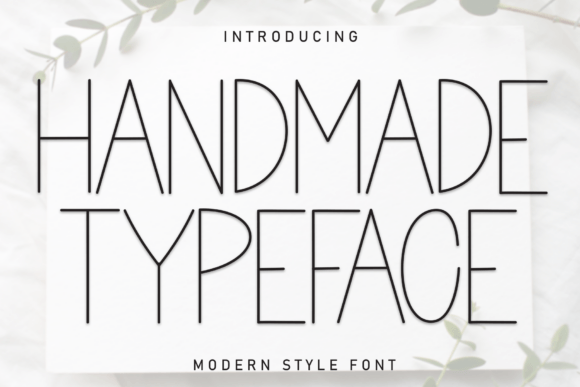
I was staring at a blank hero section on a client’s coaching website, feeling the familiar creative block. The layout was clean, the photography was high-quality, but the text felt sterile. It lacked warmth. As a web designer, I spend hours tweaking kerning and line heights, trying to make digital interfaces feel human. That is when I decided to test Handmade Typeface. This isn’t just another decorative font; it is a fun and unique font that looks like it was drawn by hand, bringing an immediate sense of authenticity to the screen.
The goal was simple: inject personality into a professional service site without sacrificing readability or modern aesthetics. I downloaded the files and started experimenting with different weights and sizes. What struck me immediately was how the natural, imperfect style makes designs feel personal and creative. In a sea of uniform sans-serif templates, this typeface offered a distinct visual identity that aligned perfectly with the brand’s message of genuine connection and organic growth.
Handmade Typeface for Creative Portfolio Headers
When designing a portfolio homepage, first impressions are everything. I tested Handmade Typeface as the primary headline for a graphic designer’s personal site. Unlike rigid geometric fonts, this display font carries a subtle energy that invites the viewer in. It signals that the creator values craft and individuality. I placed it over a soft, textured background image to see how it handled contrast. The result was striking—the letters seemed to breathe, creating a focal point that drew the eye naturally toward the navigation menu.
This approach works exceptionally well for creative professionals who want to stand out. By using Handmade Typeface for main titles, you establish a tone that is approachable yet sophisticated. It bridges the gap between traditional artistry and digital precision. For portfolios in fields like illustration, photography, or freelance writing, this font helps communicate that the work behind the screen is equally thoughtful and handmade in spirit. It transforms a standard grid layout into a curated gallery experience.
Handmade Typeface for Boutique Online Store Banners
One of my recent projects involved redesigning the landing page for a small business selling handmade ceramics. The owner wanted her online shop to reflect the artisanal nature of her products. Standard e-commerce templates felt too corporate, so I introduced Handmade Typeface to the promotional banners. The font’s organic curves mirrored the shapes of the pottery, creating a cohesive visual language across the site.
I used the heavier weights for sale announcements and product category headers, while keeping body copy in a clean, neutral sans-serif font to ensure readability. This pairing strategy is crucial. While Handmade Typeface is perfect for grabbing attention, it should not be used for long paragraphs of text. Instead, let it shine in short phrases, button labels, and header tags. The natural, imperfect style makes designs feel personal and creative, which increases emotional engagement. Shoppers are more likely to connect with a brand that feels human rather than algorithmic.
Readability Considerations for Mobile E-Commerce
Testing the font on mobile devices revealed important insights. On smaller screens, the intricate details of the handwritten style can sometimes blur if the resolution is low or the size is too small. I found that maintaining a minimum font size of 24 pixels for headlines ensured clarity. Additionally, I added ample white space around the text to prevent visual clutter. When placing Handmade Typeface over image banners, I adjusted the opacity of the overlay to ensure the text remained legible against complex backgrounds. This attention to detail ensures that the aesthetic appeal does not come at the cost of user experience.
Handmade Typeface for Wedding Invitations and Elegant Branding
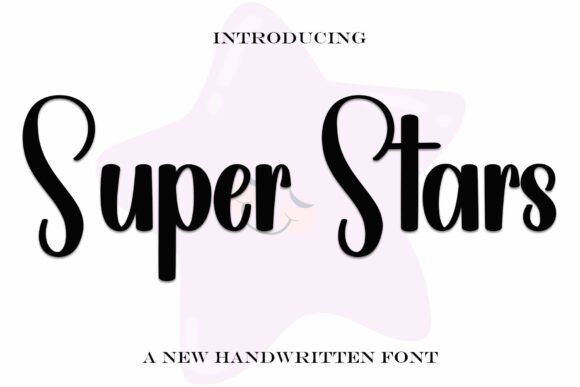
Although primarily a digital tool, the versatility of Handmade Typeface extends beautifully to digital invitations and event branding. I worked on a project for a wedding planner who needed a digital save-the-date card that felt luxurious yet intimate. We used this font for the couple’s names and key dates. Its elegant, flowing lines evoked the feeling of calligraphy without the rigidity of formal script fonts.
The font’s ability to convey emotion is its strongest asset here. It suggests care, effort, and celebration. For brands in the lifestyle, beauty, or events niche, incorporating Handmade Typeface into social media graphics and email newsletters can significantly enhance brand recognition. It adds a touch of exclusivity and refinement. When paired with muted earth tones or soft pastels, the typeface creates a harmonious palette that resonates with audiences seeking authenticity and elegance.
Handmade Typeface for Course Sales Pages and Lead Magnets
In the world of digital education, trust is paramount. A course sales page needs to look professional but also encouraging. I integrated Handmade Typeface into a landing page for an online writing workshop. The instructor wanted to appear accessible and supportive, not intimidating. Using the font for section headers like “What You’ll Learn” and “Meet Your Mentor” helped break down the content into digestible chunks while maintaining a friendly tone.
The key here is hierarchy. I used the display font sparingly, reserving it for emphasis. Body text remained in a highly readable serif font to support longer explanations. This combination leverages the strengths of both typefaces: the creative font grabs attention, while the serif font sustains reading comfort. For marketers and entrepreneurs, this balance is essential for conversion. Visitors need to scan the page quickly and understand the value proposition without feeling overwhelmed by decorative elements.
Font Pairing Strategies for Web Design
Selecting the right companion font is critical when using a distinctive typeface like Handmade Typeface. Because it has strong character, it pairs best with simple, understated fonts. A clean sans-serif font provides a modern counterpoint, allowing the handwritten style to remain the star. Alternatively, a classic serif font can add editorial depth, suitable for blogs or magazine-style layouts. Avoid pairing it with other decorative or script fonts, as this can create visual noise and reduce legibility. Always preview your pairings in actual browser environments to check how they render across different operating systems and devices.
Technical Implementation and Licensing for Commercial Use
Before deploying any new typography, it is vital to review the technical specifications. I checked the included styles, webfont availability, and file formats before integrating Handmade Typeface into our production environment. Ensuring the font supports multilingual characters was necessary for a global audience. We converted the files to WOFF2 format for optimal performance, balancing quality with fast-loading visual content.
Licensing is another non-negotiable step. Verify that you have the appropriate commercial font license for web usage, especially if you plan to use the font on client projects, online stores, or digital templates. Proper licensing protects your business from legal issues and ensures ethical support for the type designer. By adhering to these best practices, you can confidently use Handmade Typeface as part of your design assets, knowing it will perform reliably and legally across all platforms.
Handmade Typeface for Social Media Graphics and Ads
Social media feeds are crowded and fast-paced. To capture attention, your graphics need to pop. I experimented with Handmade Typeface for Instagram stories and Facebook ads for a local bakery. The font’s playful nature instantly communicated freshness and homemade quality. I used bold colors and large text sizes to maximize impact within the limited square footage of ad placements.
The natural, imperfect style makes designs feel personal and creative, which drives higher engagement rates compared to generic stock imagery. Users scroll past polished, corporate-looking ads, but they stop for content that feels authentic and crafted. By using Handmade Typeface in your social media visuals, you align your brand with values of transparency and craftsmanship. This subtle psychological cue can influence click-through rates and foster a stronger community connection.
Handmade Typeface for Editorial Design and Blog Headers
For bloggers and content creators, establishing a consistent voice is key. I updated a food blog’s header and section dividers using Handmade Typeface. The change immediately gave the site a warmer, more inviting atmosphere. Readers spent more time on the page, suggesting that the improved aesthetic contributed to better retention. The font’s unique character helped differentiate the blog from competitors who relied on standard themes.
Using Handmade Typeface for editorial design allows writers to express their personality through typography. It works well for pull quotes, chapter titles, and featured article headers. By breaking up text blocks with visually interesting headings, you improve scanning behavior and keep readers engaged. This strategic use of display fonts enhances the overall user experience, making content consumption enjoyable rather than tedious.
Handmade Typeface for Modern Typography Projects
In conclusion, integrating Handmade Typeface into digital projects offers a powerful way to humanize your brand. Whether you are designing a logo, creating packaging design mockups, or building a complete brand identity, this font provides the versatility needed to stand out. Its blend of creativity and professionalism makes it an invaluable tool for web designers, UI designers, and digital product creators. By carefully considering placement, pairing, and technical implementation, you can leverage this typeface to build more polished, engaging, and trustworthy online experiences.