Happy Beige: The Modern Display Typeface for Editorial Design
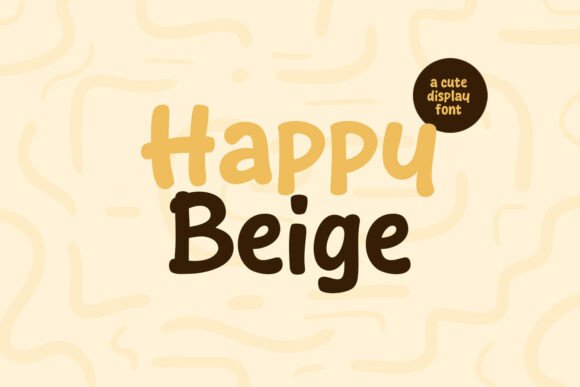
I was sitting at my desk, staring at a blank canvas for a new digital magazine layout, when I realized that the visual hierarchy felt flat. The body copy was solid, but the headers lacked personality. They were functional, yes, but they didn’t invite the reader in. That is when I turned to Happy Beige, a modern and cute display font perfect for posters, logos, magazines, book covers, banners, and many more. It wasn’t just about finding a typeface; it was about finding a voice that could speak softly but clearly across various mediums. This article explores how integrating this specific font into an editorial workflow can transform static text into a compelling narrative experience.
Happy Beige for Magazine Covers and Digital Publications
When designing a magazine cover or a high-impact digital publication, the choice of Display typography sets the tone before a single word is read. Happy Beige brings a sense of warmth and approachability that often gets lost in overly stark sans-serifs or rigid serifs. In my recent project for a lifestyle newsletter, I used Happy Beige for the masthead and section dividers. The font’s rounded edges and playful rhythm create an immediate connection with the audience, suggesting that the content within is both curated and friendly. Unlike heavy, aggressive display fonts that demand attention through volume, Happy Beige invites engagement through charm. This makes it ideal for publications that aim to build a community rather than just broadcast information. The versatility of this font ensures that whether you are designing a print-ready PDF or a web-based HTML header, the visual integrity remains consistent and polished.
Happy Beige for Book Covers and Ebook Titles
The transition from screen to print requires a typeface that holds its own against varied resolutions and paper textures. Happy Beige excels in this regard, particularly for authors and publishers looking to stand out in crowded digital marketplaces. When I tested this font on a mock-up for a contemporary fiction ebook, the contrast between the bold title and the delicate body text created a sophisticated balance. It serves as a prime example of why every designer needs a reliable set of Fonts that can handle both decorative accents and structural elements. For self-publishers, using a unique display font like Happy Beige helps establish brand identity even before the reader opens the file. It signals professionalism and care, qualities that resonate deeply with readers who value aesthetics as much as storytelling. The font’s ability to convey emotion without being overly ornate makes it a safe yet stylish choice for a wide range of genres, from cozy mysteries to modern romance.
Happy Beige for Wedding Invitations and Elegant Branding
Beyond traditional publishing, the application of Happy Beige extends beautifully into the realm of personal branding and event design. Its name alone suggests a softness that aligns perfectly with the delicate nature of wedding stationery and bridal branding. I recently experimented with using Happy Beige for a series of digital save-the-dates and wedding website headers. The result was a cohesive look that felt modern yet timeless. The font’s “cute” descriptor in its official description does not imply childishness; rather, it refers to a refined cuteness that adds a touch of whimsy to formal layouts. When paired with minimalist line art or watercolor backgrounds, Happy Beige enhances the romantic atmosphere without overpowering the details. This adaptability makes it a valuable asset for graphic designers creating custom invitations, menus, and thank-you cards. It bridges the gap between casual handwritten scripts and formal serif typefaces, offering a middle ground that appeals to contemporary couples seeking unique, non-traditional designs.
Happy Beige for Posters, Banners, and Social Media Graphics
In the fast-paced world of social media, grabbing attention in a split second is crucial. Happy Beige is a modern and cute display font perfect for posters, logos, magazines, book covers, banners, and many more, making it an excellent tool for content creators who need to produce high-engagement visuals quickly. Whether you are designing a promotional banner for an online course or a poster for a local workshop, the legibility of Happy Beige ensures your message is clear even at small sizes. I found that using this font for Instagram story highlights and YouTube thumbnails increased click-through rates because the text remained readable and aesthetically pleasing. The font’s clean lines prevent visual clutter, allowing accompanying images to shine while still providing necessary context. For influencers and digital marketers, having access to such versatile Fonts means maintaining a consistent brand voice across all platforms, from email newsletters to TikTok graphics.
Practical Considerations for Editorial Layouts and Readability
While Happy Beige is primarily a display font, understanding its limitations is key to effective design. It is best utilized for headlines, pull quotes, chapter titles, and short phrases rather than long-form body copy. To maintain optimal readability, I recommend pairing Happy Beige with a highly legible serif font for body text or a clean sans-serif font for captions and navigation elements. This combination creates a harmonious typographic scale that guides the reader’s eye naturally through the content. Additionally, before purchasing or downloading any premium font, it is essential to check the included styles, alternates, ligatures, weights, and multilingual support. Ensuring commercial font licensing allows for broad usage in ebooks, templates, printables, paid newsletters, client publications, or digital downloads will save potential legal headaches down the line. By thoughtfully integrating Happy Beige into your design assets, you elevate the overall quality of your work, proving that thoughtful font choice is indeed the foundation of a better reading experience.