Home Pink Typeface Review: Sweet Display Fonts for Social Campaigns
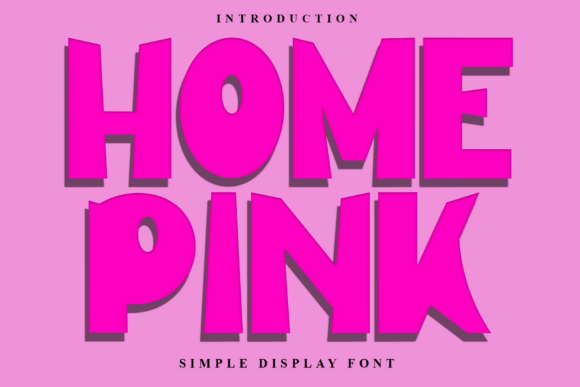
The campaign deadline was looming, and the creative brief was specific: we needed a visual hook that felt approachable, warm, and distinctly feminine without leaning into cliché. The product being launched was a line of artisanal skincare, and the existing brand assets were clean but cold. I opened my design software, scrolled through my library of Fonts, and landed on Home Pink. It wasn’t just another decorative typeface; it had a natural, unique style that immediately shifted the mood of the entire layout. As a marketing designer who spends hours testing how typography performs in fast-scrolling feeds, I found that Home Pink is a sweet and friendly display font that bridges the gap between editorial elegance and casual social media engagement.
Why Home Pink Works for Instagram and Pinterest Visuals
When evaluating Home Pink as a primary tool for social media graphics, its personality shines brightest in platforms driven by aesthetics and quick emotional connections. In our recent Instagram content series for the skincare launch, we used Home Pink for the main headlines on carousel covers and static posts. The font’s sweet and friendly demeanor helped soften the message, making the brand feel like a trusted friend rather than a corporate entity. Because it is a Display typeface, it demands attention when used at larger sizes, which is crucial for stopping the scroll on mobile devices.
We tested several variations of the font against different background colors. On light, pastel backgrounds, the text remained crisp and legible, while on darker, moody tones, it provided a striking contrast that guided the viewer’s eye directly to the call-to-action. This versatility makes it incredibly fitting to a large pool of designs, from minimalist quote graphics to vibrant sale announcements. For Pinterest pins, where text overlay is key to click-through rates, Home Pink offered the perfect balance of readability and charm. It didn’t compete with the imagery; instead, it complemented it, creating a cohesive visual hierarchy that encouraged users to save and share the content.
Optimizing Digital Ad Layouts and YouTube Thumbnails
Transitioning from organic social posts to paid digital advertising requires a slightly different approach to typography. In digital ad layouts, every pixel counts, and clarity is paramount. We integrated Home Pink into a set of banner ads for a webinar promotion targeting lifestyle bloggers. The challenge was to make the headline stand out amidst a cluttered feed without appearing aggressive or loud. The natural flow of Home Pink achieved this effortlessly. Its unique style allowed us to create ad creatives that felt native to the platform, reducing the "ad fatigue" often associated with overly polished corporate fonts.
For YouTube thumbnails, the font performed exceptionally well as a short, punchy label. We used it for text overlays such as "NEW ROUTINE" or "SECRET TIP." Because the font has distinct character shapes, it remained readable even when scaled down or partially obscured by other graphic elements. However, we learned quickly that Home Pink works best for short headlines, callouts, and campaign labels rather than long descriptions. When used for supporting typography or dense information, it can become difficult to parse quickly. For those elements, we paired it with a clean sans serif font to maintain readability and ensure the core message was understood within the first three seconds of viewing. This strategic pairing enhanced brand recognition and kept the overall design balanced.
Best Practices for Mobile Previews and Fast-Scrolling Feeds
Mobile optimization is non-negotiable in modern campaign workflows. When reviewing designs on smaller screens, Home Pink showed some limitations if not handled correctly. At very small sizes, the finer details of the letterforms can get lost, especially on lower-resolution displays. To mitigate this, we increased the tracking (letter spacing) slightly and avoided using the thinnest weights for critical information. For image overlays and dark backgrounds, we added subtle drop shadows or contrasting outlines to ensure the text popped. These small adjustments made a significant difference in message clarity and audience engagement, proving that even a friendly display font needs technical precision to perform well in digital environments.
Strategic Font Pairing for Brand Consistency
No single typeface can carry an entire brand identity alone, and Home Pink is no exception. Its strength lies in its role as a hero font for headers and decorative titles. To build a complete modern typography system, we paired Home Pink with a neutral sans serif font for body copy and functional text. This combination leveraged the emotional appeal of Home Pink while grounding the design in professionalism and readability. The contrast between the playful display font and the structured sans serif created a dynamic tension that kept the designs fresh and interesting.
We also experimented with pairing it with a delicate script font for secondary accents, though this required careful handling to avoid visual clutter. The key was to let Home Pink remain the dominant voice. This approach worked particularly well for email banners and landing page headers, where the goal was to capture attention immediately before directing the user to detailed information. By maintaining this hierarchy, we ensured that the brand voice remained consistent across all touchpoints, from the initial ad impression to the final conversion page.
Commercial Licensing and File Format Considerations
Before deploying Home Pink in client campaigns or branded merchandise, it is essential to verify the commercial font licensing terms. Different use cases, such as print packaging versus digital web design, may require specific license types. We checked the included styles, alternates, and ligatures to ensure we had access to the full range of characters needed for multilingual support, although the primary focus remained on English-language campaigns. Understanding the file formats available—typically OTF and TTF—allowed us to integrate the font seamlessly into various design tools, from Adobe Creative Cloud to Canva templates. Ensuring proper licensing protects both the designer and the brand from legal issues, allowing for confident deployment in digital products, online shop promotions, and promotional materials.
When to Avoid Home Pink in Professional Design
While Home Pink is a versatile and charming typeface, it is not a universal solution. There are clear campaign situations where it may not be suitable. For formal corporate communication, legal disclaimers, or dense informational brochures, the font’s playful nature can undermine the seriousness of the content. Similarly, for long-form copy, such as blog posts or article bodies, Home Pink would cause reader fatigue due to its decorative qualities. It is designed for impact, not endurance. Recognizing these boundaries is part of effective design strategy. By reserving Home Pink for moments that require warmth, personality, and immediate visual appeal, we maximized its potential without compromising the integrity of the overall communication.
Final Takeaways for Campaign Designers
In conclusion, Home Pink proved to be a valuable asset in our recent marketing workflow. Its sweet and friendly display style brought a much-needed human touch to our digital presence. The only limit is your imagination, but success comes from using it strategically. Whether you are designing wedding invitations, elegant branding, or energetic social media graphics, Home Pink offers a distinctive voice that stands out in a crowded market. For marketers and designers looking to add a layer of approachable sophistication to their projects, this font delivers both aesthetic appeal and functional performance. It is a testament to how the right choice in Display typography can elevate a campaign from ordinary to unforgettable.