Quola: A Playful Monoline Display Font for Handmade Branding
I was sitting at my desk last Tuesday, staring at a half-finished candle label mockup, when I realized the typography felt too stiff. The wax was warm and organic, but the text looked like it had been stamped by a machine rather than designed by hand. That’s when I pulled up Quola, a playful monoline font that promised to bring a unique touch to creative projects. After spending an afternoon testing this typeface on everything from boutique tags to digital listing images, I’m convinced it’s exactly what handmade sellers need to elevate their brand identity without sacrificing readability.
If you are looking for a premium font that balances charm with clarity, Quola is worth your attention. It falls squarely into the display category, meaning it is designed to grab attention in short bursts rather than carry long paragraphs of text. As a creator who values both aesthetic appeal and production practicality, I found that Quola offers a vibrant personality that works beautifully across various mediums, from physical merchandise to downloadable design assets.
Why Quola Elevates Candle Labels and Product Packaging
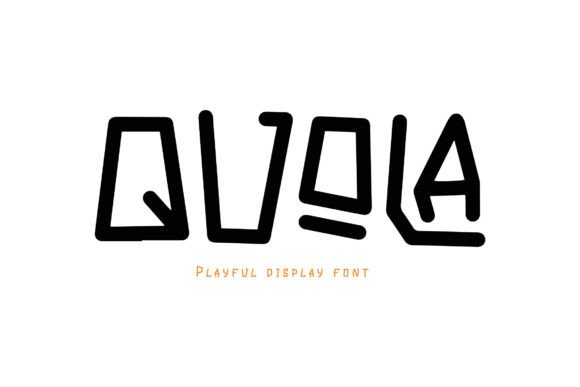
When designing product packaging, first impressions matter more than anything else. I tested Quola on several small-scale labels for soy candles and bath bombs, and the results were immediate. The distinctive character shapes of this font add a vibrant and friendly energy that makes products feel approachable and artisanal. Unlike rigid geometric sans serifs, Quola has a softness that mimics hand-drawn lettering while maintaining the clean consistency of a digital typeface.
The monoline weight is particularly effective here because it ensures legibility even when scaled down. On a 2-inch circular sticker or a narrow neck tag, the uniform stroke width prevents the letters from merging together, which is a common issue with thinner script fonts. When paired with simple kraft paper textures or matte white finishes, Quola creates a cohesive look that signals quality to potential buyers. For shop branding, using this font consistently across your labels, boxes, and thank-you cards helps build instant customer recognition.
Readability Tips for Small-Scale Printables
While Quola is highly readable, it is important to remember its primary function as a display font. I recommend keeping text brief on small items. If you are creating intricate sticker sheets or tiny product tags, use Quola for the main title or brand name, and pair it with a simpler sans serif font for ingredients or usage instructions. This hierarchy ensures that your design remains visually interesting without overwhelming the viewer. Always check your files at actual size before printing to ensure the details remain crisp.
Quola for Wedding Invitations and Stationery Design
Stationery is one of the most personal aspects of the wedding industry, and typography sets the tone for the entire event. I used Quola to draft a series of modern farmhouse-style invitations, and it bridged the gap between casual and elegant perfectly. The font’s playful nature softens the formality of traditional wedding layouts, making it ideal for couples who want a relaxed, joyful vibe rather than a stiff, classic appearance.
In editorial design and invitation suites, Quola shines when used for names, dates, and key phrases. Its distinctive curves complement floral illustrations and botanical elements often found in wedding graphics. I found that pairing Quola with a delicate script font for secondary text created a beautiful contrast. The monoline structure of Quola provided a solid visual anchor, allowing the more intricate script to float around it without competing for attention. This combination is perfect for save-the-dates, RSVP cards, and welcome signs.
Pairing Strategies for Cohesive Designs
To maximize the impact of Quola in your stationery designs, consider how it interacts with other typefaces. A clean sans serif font works well for body text, providing a neutral backdrop that lets Quola take center stage. Alternatively, a light handwritten font can add a personal touch for addresses or notes. Avoid pairing it with another decorative or bold display font, as this can create visual clutter. By limiting your palette to two or three complementary styles, you maintain a professional and polished look that appeals to discerning clients.
Using Quola for Digital Downloads and Social Media Graphics
For printable creators and Etsy sellers, digital products require typography that stands out in thumbnail previews. I tested Quola on various social media graphics and listing images, and its high contrast against backgrounds made it incredibly effective. Whether you are selling planner pages, wall art, or seasonal decor templates, Quola adds a touch of whimsy that encourages clicks and engagement.
The font’s versatility extends to digital marketing materials as well. I used it for banner headers on my online shop and for promotional posts highlighting new collections. Because Quola is a display font, it commands attention quickly, which is essential for capturing interest in fast-scrolling feeds. However, always ensure that the background color provides sufficient contrast. Light pastel backgrounds work wonderfully with darker ink colors, enhancing the playful mood of the font while maintaining accessibility standards.
Technical Considerations for Commercial Use
Before integrating Quola into your commercial products, it is crucial to review the licensing agreement. Most premium fonts come with specific guidelines regarding how they can be used in digital downloads versus physical goods. Ensure that you have the appropriate commercial license if you plan to sell items featuring this typeface. Additionally, check for included styles, alternates, ligatures, and swashes. These extra characters can add significant value to your designs, allowing for more creative variations without needing to purchase additional fonts. Verify multilingual support if you intend to serve international customers, as not all playful fonts include extended character sets.
Limitations and Best Practices for Crafters
While Quola is a fantastic addition to any designer’s toolkit, it is not suitable for every situation. Due to its decorative nature, it is not recommended for dense blocks of text, such as detailed product descriptions or technical manuals. Trying to read long paragraphs in a playful monoline font can cause eye strain and reduce comprehension. Instead, reserve Quola for headlines, quotes, logos, and short phrases where impact is prioritized over volume.
Similarly, when using cutting machines like Cricut or Silhouette, be mindful of the complexity of the letterforms. While the monoline style simplifies some cuts, certain swashes or connected letters might require careful weeding or layering. Always test your designs on scrap material before committing to expensive vinyl or cardstock. By understanding the strengths and limitations of Quola, you can make informed decisions that enhance your final products and satisfy your customers.
Final Recommendations for Makers
Ultimately, Quola is a tool that brings joy and personality to your creative output. Whether you are labeling homemade jams, designing birthday party invites, or creating digital planners, this font offers a reliable way to inject warmth into your brand. Take the time to experiment with different sizes, colors, and pairings to find what resonates with your audience. With its distinct charm and professional finish, Quola is a worthy investment for any maker looking to stand out in a crowded marketplace.