Ragatha Darkness: The Quirky Halloween Display Font for Bold Branding
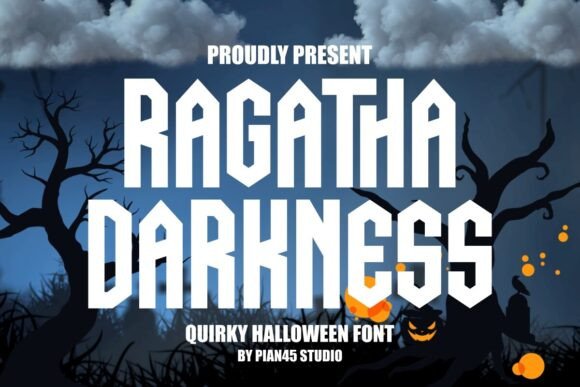
I remember staring at a blank Figma file, the cursor blinking mockingly against a white canvas. My client wanted a visual identity that felt spooky but sophisticated—a boutique horror-themed escape room experience that didn’t want to look like it was trying too hard. They needed something with personality, a bit of edge, and a touch of cinematic flair. That’s when I pulled up Ragatha Darkness. This isn’t just another generic gothic typeface; it is a bold and quirky Halloween-inspired font with a unique twist. Drawing inspiration from a trending box office film series, this font adds a playful yet eerie vibe to your designs, making it an instant conversation starter on any brand board.
As a graphic designer, I am always hunting for display fonts that can carry a heavy visual load without sacrificing readability or style. When I first dropped Ragatha Darkness into my logo drafts, the transformation was immediate. The letterforms have a distinct, hand-crafted irregularity that feels organic rather than digital. It captures that specific "trending" aesthetic—think modern horror cinema meets vintage carnival posters—but translates it into a versatile tool for contemporary branding. If you are looking to inject character into your next project, understanding how this font behaves in real-world applications is key.
Why Ragatha Darkness Works as a Standalone Logo Typeface
The most striking aspect of Ragatha Darkness is its ability to function as a primary logo font. Unlike many decorative fonts that require extensive kerning adjustments to look cohesive, this typeface has a built-in rhythm. When I tested it on a mockup for the escape room’s main signage, the letters seemed to lean into each other, creating a unified shape that reads clearly even from a distance. For brand designers, this is crucial. A logo needs to be recognizable at 20 pixels and scalable to billboard size, and Ragatha Darkness manages to maintain its quirky charm across both extremes.
Because it is categorized under Display Fonts, it is designed to be seen, not read in long paragraphs. Its bold weight and distinctive curves make it perfect for headlines, logos, and short-form text. In my project, we used it exclusively for the business name and major headers. The font’s inherent "eerie vibe" does the heavy lifting, allowing the rest of the design system to remain clean and minimal. This contrast is what makes the branding memorable. By letting Ragatha Darkness take center stage, we avoided the cluttered, overly busy look that often plagues thematic designs.
Ragatha Darkness for Packaging Design and Product Labels
One of the most exciting parts of testing this font was seeing how it translated to physical media. I created a series of product labels for a fictional line of "witchy" skincare products, using Ragatha Darkness for the product names. The font’s quirky nature adds a layer of intrigue to packaging design. Consumers scroll through shelves quickly, and a typeface that stands out visually can stop them in their tracks. The font’s slight irregularities give it a handmade, artisanal feel, which pairs beautifully with eco-friendly or boutique product aesthetics.
When applying Ragatha Darkness to packaging, consider the background color and texture. The font performs exceptionally well on dark backgrounds, where its lighter counter-spaces pop, but it also holds its own on textured papers or matte finishes. For small business owners and entrepreneurs, this versatility means you can use one strong typographic asset across multiple touchpoints—from Instagram posts to physical boxes—creating a consistent brand identity that feels professional yet approachable.
Pairing Ragatha Darkness with Modern Typography Styles
No font exists in a vacuum, and finding the right companion is essential for a balanced design system. Because Ragatha Darkness is so dominant, it needs a supporting cast that doesn’t compete for attention. In our escape room project, I paired it with a clean, geometric sans serif font for body copy and informational details. This combination creates a clear visual hierarchy: Ragatha Darkness grabs attention, while the neutral sans serif ensures readability for rules, pricing, and contact info.
For those working on editorial design or website headers, you might also experiment with pairing this display font with a classic serif. The juxtaposition of the modern, quirky horror aesthetic of Ragatha Darkness against a traditional serif can create a fascinating tension, suggesting a blend of old and new. However, avoid pairing it with other script fonts or handwritten fonts unless you are extremely careful with spacing. The goal is to let Ragatha Darkness shine as the creative font anchor, not to create a chaotic mix of styles. Testing these pairings in grayscale first is a great way to ensure the visual balance works before adding color.
Ragatha Darkness for Social Media Graphics and Digital Templates
In today’s digital-first world, your brand needs to look good on screens. I found that Ragatha Darkness translates beautifully to social media graphics. Its bold strokes render sharply on high-resolution displays, ensuring that your Instagram stories, Facebook ads, and Pinterest pins look crisp. For content creators and marketers, using a font with such strong personality can help differentiate your feed from the sea of generic templates.
When designing digital assets, keep the text concise. Let the font do the talking. Use Ragatha Darkness for punchy headlines like "New Drop," "Limited Edition," or event dates. The font’s playful yet eerie vibe aligns perfectly with seasonal campaigns, particularly around Halloween, but its uniqueness allows it to work year-round for brands that want to project a slightly alternative or edgy image. Just remember to check the included styles and alternates if available; some versions of this font may offer special ligatures or swashes that can add extra flair to your digital designs.
Practical Considerations for Commercial Font Licensing
Before integrating Ragatha Darkness into any client project, it is vital to review the commercial font licensing terms. As a premium font, it likely comes with specific usage rights regarding print runs, digital impressions, and merchandise. For freelancers and creative studios, understanding these boundaries protects both you and your client from legal issues down the line. Ensure that the file formats provided (usually .OTF and .TTF) are compatible with your design software and that you have access to all necessary weights if you plan to build a more extensive typographic system.
Additionally, check for multilingual support if your branding targets a global audience. While Ragatha Darkness is primarily English-focused due to its stylistic quirks, knowing its limitations helps set realistic expectations for international clients. For local businesses and hobbyists, the font offers incredible value by providing a high-end, cinematic look at a fraction of the cost of custom lettering. It bridges the gap between amateur design and professional studio quality, making it an accessible tool for small business owners who want big-brand impact.
Testing Ragatha Darkness Before Finalizing Your Brand System
My final piece of advice is to never commit to a font without rigorous testing. Create a comprehensive brand board that includes the logo, business cards, letterheads, and digital mockups. See how Ragatha Darkness interacts with your chosen color palette. Does the eerie vibe clash with warm, inviting tones? Or does it enhance the contrast? Test it on different materials, such as glossy photo paper versus rough kraft paper. This hands-on approach ensures that the font will perform as expected in the real world.
Ragatha Darkness is more than just a Halloween decoration; it is a powerful design asset for anyone looking to break the mold. Whether you are designing a poster, a product label, or a full brand identity, its bold and quirky character can elevate your work from ordinary to unforgettable. By treating it with respect—pairing it wisely, licensing it correctly, and testing it thoroughly—you can harness its unique twist to create designs that resonate deeply with your audience.