Sheross: A Spooky Display Font for Horror-Themed Editorial Design
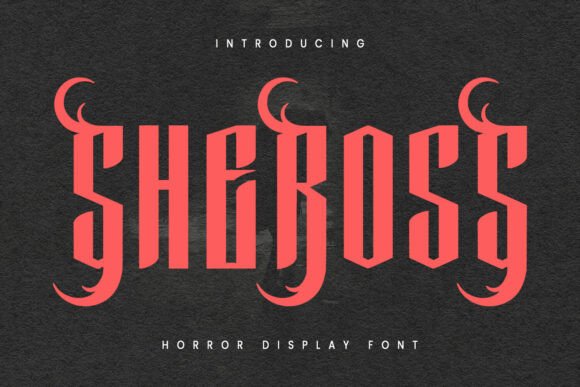
The cursor blinked on the blank canvas of a new digital magazine layout. It was late October, and the deadline for a special seasonal feature was looming. The editorial team needed a headline that didn’t just sit on the page but commanded attention, evoking a sense of dread and excitement simultaneously. After scrolling through hundreds of generic sans serifs and overly ornate scripts, the search landed on Sheross. This wasn’t just another typeface; it was a visual statement designed specifically for horror themes. Its sharp, jagged letters give off a creepy vibe, making it perfect for scary posters, haunted designs, or Halloween projects. As an editorial designer, I immediately recognized its potential to anchor a publication’s identity while maintaining structural integrity.
Why Sheross Defines Bold Horror Branding in Modern Typography
When evaluating Sheross, one must first understand its classification as a Display font. Unlike body text fonts that prioritize invisible readability, display fonts like Sheross are meant to be seen, felt, and remembered. The character design is aggressive yet controlled, with terminals that look like they have been clawed or torn rather than drawn. This aesthetic choice creates an immediate emotional response from the reader, signaling that the content within is not lighthearted. For bloggers and publishers specializing in true crime, horror fiction, or spooky lifestyle content, Sheross provides a distinct visual language that separates their work from the sea of standard web typography. It establishes a brand identity that is unapologetically dark and bold, ensuring that every title, cover image, or social media graphic carries the same ominous weight. In the realm of Fonts designed for niche markets, Sheross stands out by offering a cohesive mood that can transform a simple blog post header into a cinematic experience.
Integrating Sheross into Newsletter Graphics and Digital Magazines
In my recent project redesigning a weekly creator newsletter, the challenge was to maintain high engagement rates during the autumn season without alienating subscribers who preferred lighter content. The solution lay in strategic application. Instead of using Sheross for entire paragraphs, which would hinder readability, we utilized it exclusively for the subject lines and pull quotes. The font’s jagged edges create a natural visual hierarchy, drawing the eye immediately to the most critical information. When paired with a clean, neutral background, the black weight of Sheross pops with striking contrast. This approach works exceptionally well for digital magazines and editorial features where space is limited but impact is paramount. By reserving Sheross for key headlines and section dividers, the layout remains breathable and organized. The font supports the content structure by acting as a visual anchor, guiding the reader through the article without overwhelming the narrative flow. For independent content brands, this method ensures that the spooky theme enhances the user experience rather than detracting from it.
Optimizing Printables and Workbook Covers with Spooky Display Fonts
Another realistic use case involves the creation of downloadable digital products, such as coaching workbooks, printable planners, or recipe ebooks with a Halloween twist. Here, the commercial value of the design is directly tied to its visual appeal. A planner titled "Spooky Self-Care" requires a cover font that communicates fun fear rather than genuine terror. Sheross strikes this balance perfectly. Its boldness ensures legibility even when scaled down for thumbnail views on marketplaces like Etsy or Gumroad. However, careful consideration must be given to spacing (kerning) and size. Because Sheross has irregular shapes, tight letter-spacing can cause the jagged elements to bleed into one another, reducing clarity. In our test layouts for a wedding guide with a gothic theme, we found that generous line height and ample white space around Sheross titles allowed the font’s personality to shine without creating visual clutter. This technique is crucial for maintaining professionalism. While the font is expressive, the surrounding layout should remain disciplined. This contrast between chaotic typography and orderly structure creates a sophisticated editorial look that appeals to buyers seeking premium design assets.
Font Pairing Strategies for Readability and Editorial Balance
No single typeface can carry an entire publication, especially one with such a strong personality as Sheross. Effective font pairing is essential to ensure that the content remains accessible. For body copy, a highly readable serif font or a neutral sans serif font is recommended. The smooth curves of a traditional serif can soften the harshness of Sheross, creating a harmonious tension between elegance and edge. Alternatively, a geometric sans serif font can provide a modern counterpoint, grounding the spooky headlines in contemporary design trends. In a recent ebook layout for a mystery novel, we paired Sheross for chapter openers with a classic Garamond-style serif for the text. The result was a seamless reading experience where the headings provided atmosphere, and the body text provided comfort. This combination respects the reader’s need for ease of consumption while satisfying the author’s desire for thematic consistency. It is important to avoid pairing Sheross with other decorative or script fonts, as this would create a competition for attention and result in a messy, unprofessional appearance.
Technical Considerations for Commercial Use and Licensing
Before integrating Sheross into any client publication or paid digital download, thorough due diligence regarding licensing and file formats is required. As a premium font, Sheross likely comes with specific terms of use that dictate how it can be embedded in PDFs, used in logos, or distributed in templates. Designers must verify whether the license covers commercial projects, such as selling printed merchandise or hosting ad-supported newsletters. Additionally, checking for included styles—such as italics, bold weights, or alternate characters—can expand the font’s utility. If Sheross offers ligatures or swashes, these can be used sparingly for decorative accents on covers, adding an extra layer of detail for attentive readers. For web implementation, converting the font to web-safe formats (WOFF/WOFF2) ensures consistent rendering across devices. Mobile layouts, in particular, benefit from testing Sheross at smaller sizes to ensure the jagged details do not become pixelated or illegible on low-resolution screens. By adhering to best practices in technical implementation and respecting intellectual property rights, designers can leverage Sheross effectively to build a compelling, professional, and legally sound editorial presence.