Magic Everyday Typeface Review for Editorial Design
I remember sitting at my desk, staring at a blank Figma canvas, trying to decide on the visual anchor for a new lifestyle newsletter. The content was solid—practical tips on mindful living—but the design felt flat. I needed something that didn’t just sit there but whispered a casual, energetic hello to the reader. That was when I pulled Magic Everyday into the project. It wasn’t about finding the most serious typeface; it was about finding one that felt like a bold marker had just swept across the page. For any publisher or designer looking to inject personality into their digital assets, understanding how a font like this functions within an editorial layout is crucial.
Magic Everyday as a Bold Marker Display Font for Blog Headers
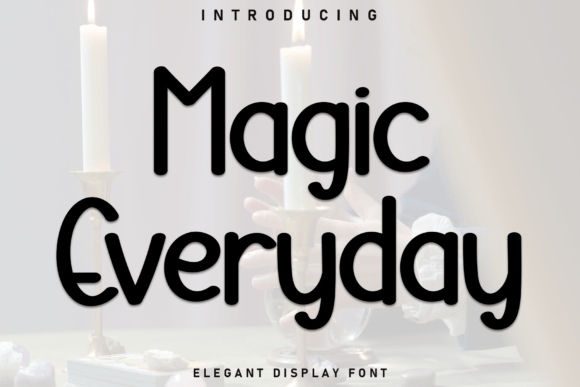
When you first open the Magic Everyday file, the immediate impression is its distinct handwritten character. This isn’t a delicate script; it’s a robust, playful display font that mimics the look of ink applied with confidence. In the world of fonts, display typefaces are meant to be seen, not read line by line, and Magic Everyday excels in this role. I tested it as the primary header for a series of blog posts focused on weekend activities. The casual, sporty vibe it carries instantly breaks the monotony of standard sans-serif headers. It signals to the reader that the content is approachable and fun. Because it looks hand-drawn, it adds a layer of human authenticity that pre-made vector fonts often lack. For bloggers and independent creators, using a creative font like this for your main titles helps establish a unique brand identity before the reader even processes the text itself.
Enhancing Visual Hierarchy with Playful Handwritten Accents
One of the biggest challenges in editorial design is maintaining visual hierarchy without losing the reader’s attention. A well-structured page guides the eye from the headline to the subhead, then to the body copy. Magic Everyday serves as an excellent tool for creating that top-level emphasis. I used it for pull quotes and section dividers in a digital magazine layout. The font’s energetic feel draws the eye immediately, acting as a visual pause that encourages scrolling or reading further. However, its power lies in contrast. When paired with a clean, neutral serif font for the body text, the handwritten nature of Magic Everyday stands out sharply. This juxtaposition creates a sophisticated yet relaxed mood. The bold marker aesthetic ensures that your key messages pop, making it ideal for highlighting call-to-action buttons, special offers, or chapter openers where you want to create a moment of excitement.
Magic Everyday for Printable Planners and Digital Worksheets
The versatility of this font extends beyond web design into the realm of tangible digital products. I recently designed a coaching workbook, and the client wanted the interior to feel encouraging and personal rather than corporate. Magic Everyday was the perfect choice for the worksheet titles and instructional steps. Its playful tone reduces the intimidation factor of complex tasks, making the content feel more manageable and friendly. Similarly, for printable planners, using a font that feels "everyday" and accessible can increase user engagement. People are more likely to stick with a planner if the typography feels inviting. By using Magic Everyday for the headers and dates, while keeping the daily notes in a highly legible sans serif font, we created a balance between style and function. This approach works exceptionally well for course PDFs, recipe ebooks, and wedding guides where a touch of whimsy enhances the overall user experience.
Readability Considerations for Screen and Print Layouts
While Magic Everyday is stunning for headlines, it is essential to recognize its limitations regarding long-form reading. As a display font with a strong personality, it can become fatiguing if used for dense paragraphs or small captions. In my testing, readability dropped significantly when the font size went below 14pt on mobile screens. Therefore, it is best reserved for titles, subtitles, cover text, and decorative accents. For the actual body copy, I recommend pairing it with a highly readable serif font or a simple sans serif font. This combination ensures that while your publication has a distinct voice through its headings, the content remains easy to digest. This is particularly important for newsletters and articles where the goal is information retention. If you are designing for print materials like brochures or packaging, ensure you have high-resolution exports, as the "marker" texture can sometimes alias if not rendered properly at small sizes.
Font Pairing Strategies for Modern Typography Projects
To get the most out of Magic Everyday, strategic font pairing is non-negotiable. Since this font is already quite expressive, it needs a quiet partner to let it shine. I found that pairing it with a modern geometric sans serif worked beautifully for social media graphics and web banners. The clean lines of the sans serif provide a stable foundation, allowing the handwritten magic to take center stage. For more traditional editorial layouts, such as a literary journal or a formal report (used sparingly for section breaks), a classic serif font provides a nice contrast between the old-world elegance and the contemporary playfulness of the marker font. Always check the included styles, alternates, and ligatures before finalizing your design. Some versions of handwritten fonts offer multiple weights or special characters that can add variety to your layout without introducing a second font family, which helps maintain consistency in your brand identity.
Commercial Licensing and File Formats for Designers
Before integrating Magic Everyday into any client project or commercial product, verifying the licensing terms is a critical step. Most premium fonts come with specific guidelines regarding how they can be used, especially for digital downloads, templates, and paid newsletters. Ensure you have the appropriate commercial license if you are selling designs that include this font, or if you are embedding it in an ebook. Additionally, check the available file formats—typically OTF and TTF are standard, but some designers prefer WOFF for web use. Understanding these technical details prevents legal issues and ensures your design assets are ready for deployment. Whether you are building a brand identity for a startup or simply refreshing your own blog’s look, taking the time to evaluate the font’s technical specifications alongside its aesthetic appeal will result in a more professional and polished final product.