Monday Retro Typeface Review for Editorial Design
I remember the specific Tuesday afternoon when I was redesigning a digital magazine layout for a lifestyle brand. The client wanted something that felt nostalgic but not dated, playful but still professional enough to hold credibility. We had spent weeks cycling through sleek minimal sans serifs and heavy modernist slab serifs, but nothing captured the "fun" energy they were chasing. That was when I stumbled upon Monday Retro. It wasn’t just another decorative typeface; it was a complete mood shift. As a display font, it carries a distinct personality that can elevate a project from ordinary to unforgettable.
This review explores how Monday Retro functions in real-world editorial contexts. If you are a publisher, blogger, or designer looking for a creative font that balances retro charm with legibility, this analysis will help you decide if it belongs in your design assets library.
Monday Retro for Lifestyle Blog Headers and Cover Text
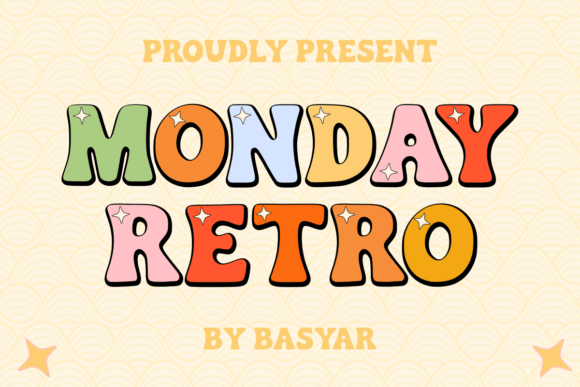
When you first load Monday Retro, its visual character is immediately apparent: it is playful, bold, and groovy. Designed with retro-inspired characters, it adds a touch of fun to any project without sacrificing structural integrity. In my testing, I applied this typeface to the masthead of a weekend lifestyle blog. The goal was to create an eye-catching title that would stop the scroll on social media feeds.
The font’s weight and curve allow it to command attention effectively. Unlike many script fonts that become illegible at smaller sizes, Monday Retro maintains its shape even when scaled down for mobile headers. This makes it ideal for cover text where impact is paramount. The rhythm of the letters feels relaxed, which aligns perfectly with content that aims to be approachable and friendly. For bloggers who want to establish a strong publication identity quickly, using this premium font as a primary header element creates an immediate sense of brand recognition.
However, it is important to remember that this is a display font. Its strength lies in short bursts of text. When used for longer headlines, the unique character shapes guide the reader’s eye smoothly across the line. It works exceptionally well for seasonal content, such as holiday guides or summer reading lists, where the typography needs to reflect the upbeat tone of the season.
Enhancing Kid-Friendly Content and Educational Materials
One of the standout features of Monday Retro is its suitability for kid-friendly designs. The description notes that it is perfect for "kid-friendly" applications, and my experience confirms this. In educational publishing, readability and engagement go hand in hand. A dense block of text can intimidate young readers, but a playful heading breaks up the page and invites interaction.
I tested this font in a printable planner for elementary school students. The bold, rounded forms are easy to recognize, supporting early literacy development while keeping the aesthetic modern. It avoids being overly childish by maintaining a sophisticated geometric structure underneath the playful curves. This balance makes it versatile for parents and teachers who want materials that look professional yet inviting. Whether you are creating worksheets, classroom posters, or children’s ebook titles, Monday Retro provides the right amount of whimsy without crossing into clutter.
Monday Retro for Newsletter Graphics and Social Media Posts
In the world of digital marketing, grabbing attention within seconds is critical. Monday Retro excels in this arena because it functions as a visual hook. When designing newsletter graphics or Instagram carousels, text overlays need to be both readable and stylistically distinct. Using this font allows creators to inject personality into their communication strategy.
For instance, when designing a weekly update for a creative coaching community, I used Monday Retro for the main pull quotes. The retro groovy aesthetic evokes a sense of warmth and nostalgia, which helps build a stronger emotional connection with the audience. It stands out against clean backgrounds and pairs well with simple photographic elements. Because it is a bold typeface, it requires minimal graphic embellishment; the typography itself becomes the focal point.
This efficiency is valuable for content creators who manage multiple platforms. Instead of spending hours designing custom logos or banners, applying Monday Retro can instantly unify the visual language of your campaign. It serves as a consistent anchor for your brand identity across different mediums, ensuring that whether a user sees your post on LinkedIn or Pinterest, the vibe remains recognizable.
Pairing Display Fonts with Readable Body Copy
A common mistake in editorial design is overusing expressive typefaces. While Monday Retro is fantastic for titles, subtitles, and section headings, it is not suitable for body copy. The unique shapes and varying weights can cause eye fatigue during long-form reading. To maintain readability, it is essential to pair this creative font with a neutral companion.
In my layout tests, I paired Monday Retro with a clean sans serif font for navigation and captions, and a highly legible serif font for the main article text. This combination leverages the strengths of each typeface: the display font grabs attention, while the body copy ensures comfort. This hierarchy supports the reader’s journey, guiding them from the headline to the details seamlessly. For web design and digital magazines, this contrast also aids in accessibility, making content easier to scan for users with visual impairments.
Monday Retro for Printable Planners and Digital Products
The rise of the digital product economy has created a high demand for distinctive design assets. Creators selling on platforms like Etsy or Gumroad need products that stand out in crowded marketplaces. Monday Retro offers a unique aesthetic that can differentiate a standard template from a premium offering. Its retro-inspired characters add a layer of sophistication that appeals to modern consumers who appreciate vintage aesthetics.
I used this font in a wedding guide template, where it served as the primary header for sections like "Venue Selection" and "Timeline." The playful yet elegant nature of the typeface set the tone for the entire document, suggesting a celebration that is both fun and well-organized. Similarly, in a recipe ebook, using Monday Retro for dish names added a homey, inviting feel that encouraged readers to try the recipes.
When preparing these files for distribution, it is crucial to check the included styles and file formats. Ensure that the commercial font license allows for use in digital downloads and templates. Most modern fonts come with various weights and alternates, which provide flexibility in design. Utilizing these variations can prevent monotony and keep the visual interest high throughout the document. Always verify multilingual support if your audience is global, as some retro fonts may lack extended character sets necessary for non-English languages.
Evaluating Font Pairings for Editorial Consistency
Successful editorial design relies on consistency. Monday Retro should not be used in isolation. To build a cohesive look, consider how it interacts with other design elements. Its bold presence works best when given ample white space around it. Crowding the text diminishes its impact and can make the design feel chaotic.
For projects requiring a more formal tone, such as corporate reports or academic papers, Monday Retro would likely be inappropriate. However, for brands that want to convey creativity, joy, and approachability, it is an excellent choice. By integrating this modern typography into your workflow, you can enhance the overall quality of your publications. Whether you are designing a logo, packaging design, or a simple blog post, the right font can transform the message. Monday Retro proves that a little bit of retro flair can go a long way in connecting with your audience.