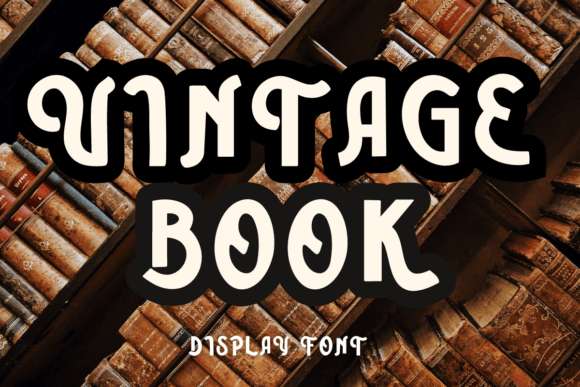
Vintage Books Typeface for Handmade Labels and Printables
If you are looking to add a touch of nostalgic charm to your handmade goods, Vintage Books is a Display font that bridges the gap between classic elegance and modern craft utility. As a creator who spends hours designing stickers, labels, and digital downloads, I have found that the right typeface can elevate a simple product into a premium brand asset. This particular typeface offers a distinct visual personality that works beautifully for projects requiring readability without sacrificing style. Whether you are designing wedding invitations or crafting seasonal mugs, understanding how to leverage this font effectively is key to standing out in a crowded marketplace.
Vintage Books for Greeting Cards and Diary Entries
When you explore the capabilities of Vintage Books, it quickly becomes clear why it is an excellent choice for personal and intimate design projects like greeting cards and diary layouts. The description notes that you can use it for taking notes or writing a diary, which speaks to its legibility and warm aesthetic. For stationery designers and printable creators, this means you can create products that feel handwritten yet polished. Imagine a set of printable thank-you cards where the header uses Vintage Books to anchor the design, paired with a delicate script for the body text. This combination creates a hierarchy that guides the eye while maintaining a cohesive, artisanal look. The font’s display nature ensures that short phrases on the front of cards pop, drawing attention in a shop window or on a social media feed.
Vintage Books for Mugs, Shirts, and Merchandise Tags
For sellers of physical merchandise, such as ceramic mugs, cotton t-shirts, or boutique tags, the versatility of Vintage Books is a significant advantage. The source material mentions its suitability for designs on mugs and cards, highlighting its adaptability across different mediums. When transferring designs to curved surfaces like mugs or flat textiles like shirts, readability is paramount. Vintage Books strikes a balance between decorative flair and clarity, ensuring that your slogans or brand names remain legible even when scaled down or viewed from a distance. It works exceptionally well for farmhouse-style decor or rustic-themed apparel, where the slightly aged or classic feel of the font complements natural materials like wood, linen, or clay. By using this font, you signal quality and thoughtfulness to customers who appreciate detailed craftsmanship.
Vintage Books for Banners and Event Signage
Creating large-scale visuals requires a typeface that holds up under scrutiny, and Vintage Books delivers on that front. Its classification as a Display font makes it ideal for banners, welcome signs, and event backdrops. Whether you are designing a digital template for a virtual workshop or a print-ready file for a physical wedding backdrop, this font commands attention. The characters have enough weight and character to stand alone as focal points. For example, a "Welcome" sign for a bridal shower or a "Sale" banner for an Etsy shop can use Vintage Books to convey warmth and professionalism simultaneously. Because it is designed for display, it avoids the pitfalls of smaller serif fonts that might become muddy or hard to read when printed at larger sizes. This makes it a safe yet stylish bet for high-visibility projects.
Vintage Books for Content Layouts and Digital Products
In the realm of digital downloads and content creation, Vintage Books serves as a powerful tool for headers and titles. While it may not be suitable for long blocks of body text due to its display nature, it excels at capturing interest in blog posts, e-book covers, and social media graphics. Designers often pair expressive display fonts with clean sans serif fonts for body copy to create contrast. You might use Vintage Books for the title of a printable planner page, while using a simple, neutral sans serif for the daily tasks. This pairing enhances usability while maintaining brand identity. Furthermore, for those creating SVG files for cutting machines like Cricut or Silhouette, this font provides crisp lines and clear shapes that cut cleanly, reducing errors and frustration during production.
Practical Considerations for Commercial Use
As a small business owner, understanding the technical aspects of your design assets is crucial. When sourcing Vintage Books, always check for included styles, alternates, ligatures, and swashes, as these features can drastically increase the value of your font license. A rich feature set allows you to customize designs without needing multiple font files, streamlining your workflow. Additionally, verify multilingual support if you plan to cater to international audiences or create diverse product lines. Most importantly, ensure you have the appropriate commercial license. Using a font for personal diaries is one thing, but selling products made with Vintage Books—whether they are physical tags, digital templates, or merchandise—requires permission. Proper licensing protects your business and respects the designer’s work, allowing you to operate with confidence and integrity.
Why Vintage Books Enhances Brand Identity
Consistency is the backbone of a strong brand, and choosing a distinctive typeface like Vintage Books helps establish recognition. When customers see your unique font style on a mug, a card, and a website banner, they begin to associate that visual language with your brand’s personality. This font evokes feelings of nostalgia, trust, and creativity, which are valuable emotional triggers for buyers. By integrating Vintage Books into your design system, you create a cohesive experience that resonates with your audience. It signals that you care about the details, from the packaging tag to the final product. In a market saturated with generic designs, a thoughtful choice of typography sets you apart and invites customers to connect with the story behind your handmade creations.